Reconvening as a working unit in 1975, Van Der Graaf Generator, under what’s generally considered their classic lineup; Peter Hammill (vocals, piano, guitar), Hugh Banton (keyboards, bass), David Jackson (saxophone, flute) and Guy Evans (drums) were in a productive mood releasing three albums of self-produced material over a two year period, and Godbluff, Still Life and World Record were all of a generally consistent high standard.
Somewhere in the middle of all this they toured Italy twice – A country where their popularity might mean they were playing love to 40,000 people – But second time round, it did not go without incident, with them getting caught up in the country’s political turmoil of the time, and also their equipment being stolen – Not a good time then, and while you rarely listen to Van Der Graaf Generator for what’s generally considered a good time, it’s extraordinary that the middle album in their production, Still Life is possibly the pinnacle of their achievements
The Godbluff sessions had gone down so well, the band had two tracks left over, that and enthusiasm, explaining the speedy manner by which Still Life evolved. ‘Pilgrims’ and ‘La Rossa’ were the previously recorded numbers, the former a co-write with Jackson, the others all penned by Hammill.
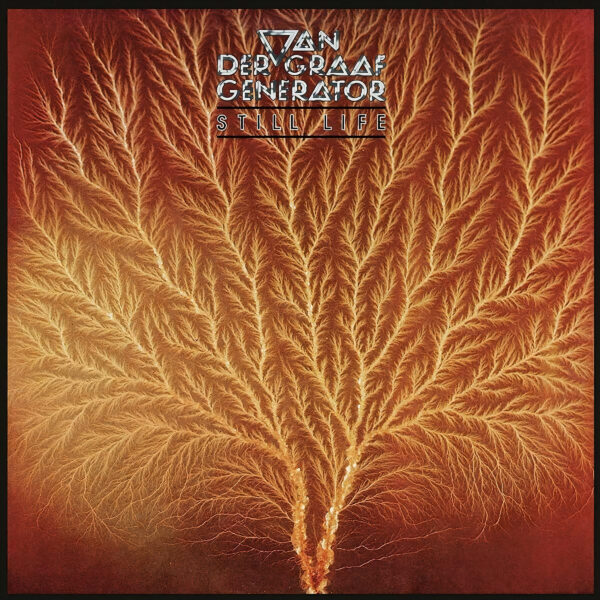
This new vinyl edition of the classic album has been remastered from the original tapes and was cut at Abbey Road Studios. Fully restoring the original LP artwork, the front cover features the spark created from a Van de Graaff (Yes, the spelling is different; Generator), the back with out-of-focus head shots of the band and most importantly the lyrics, ones you’ll deliberate hours of your life over should you dig this album, as our dads used to say. You may also find yourself down the library or at a bookshop picking up tomes on philosophy, theology, psychology, and some New Worlds-era science fiction classics trying to reach a deeper understanding behind the intent of some of Hammill’s lyrics – all quite accessible to listen to I should add – but stick us in a room together and I doubt we’d come up with a consensus over what they mean. But, maybe that’s not the intent, rather for it to wash over us, a sip tasted here and there going a long way, and we feeling refreshed, if not quite washed of our sins, as the needle runs to fade as Side 2 concludes.
But, to begin, we set out with ‘‘Pilgrims’, Banton’s organ playful, churchlike and akin to some horror soundtrack at turns, emotive with stirring chordal changes working consistently in tandem with Hammill’s voice, one that whispers, roars, mutters with indecisive questioning, screams, and, yes, sings in a most English manner; his pronunciation not that of the standard rock singer with their affected Stateside stereotype holler and certainly not the sloppy jabber of today. His voice sounds like there’s meaning behind his words and so you listen intently trying not to feel so you can nod appreciatively, half-understanding; perhaps they don’t actually matter because we feel their intent, but, if anything we tend to come away with this being some long poem about his loneliness and despair, but it’s also something he acknowledges many of us feel, and should come to terms with, among the lines uttered: “I can see we are pilgrims and so must walk this road, unknown in our purpose, alone, but not worthless”. Evans inserts a beat, keeping it as steady accompaniment throughout, Jackson surfaces around the three minute mark, his saxes a sweeter melody at first, becoming louder in courtly processional manner, more joyous too with Banton joining in as if they were on their way to some medieval mad-hatter’s ball before it comes to an end.
But hush, pray be silent, for ‘Still Life’ itself. Again, Banton and Hammill lead the way on this tour de force, wherein the singer questions anything and everything. One its early lines is: “What have we become, what have we chosen to be?” and as such much of it debates the enigma that we have brought upon ourselves in taking to heart Nietzsche’s statement that “God is dead” and seeking to replace the ideal with ourselves, the line “Now the Immortals are here” appearing like some dreaded denouement in some dark dystopian fantasy film. The words get deeper and you continue to listen, in silence, keeping very still. Until, Evans begins to rumble, Banton and Jackson react and they move in an upbeat progressive manner with a jazz lilt, Hammill screaming out from a deep harsh throat, “Take away the threat of death and all you’re left with is a round of make-believe,” the music continues to shift through its paces, words curdling out, until slowing down, Hammill on piano takes the last verse and it’s so deep and harrowing, but dare I say, perfect for the song. You either leave this little epic going “Wow! or shaking your head in utter confusion. Maybe sometimes both.
‘La Rossa’ closes Side 1, and more or less ends it in high spirits, amid Elizabethan pageantry, carnival jigs, prog that pumps hard over one section and sees Banton making dramatic runs the next, while skronking jazz makes itself known as do mellow flutes. All this, amid of us never being quite sure what this song is about,,though after all this time, I’m perceiving it akin to some William Burroughs junkie caught in rapture then coming down, though it most certainly ain’t.
Side 2’s ‘My Room (Waiting for Wonderland)’ almost takes us back to the band’s The Least We Can Do Is Wave To Each Other, so mellow is it by comparison, and a tune you could actually dance to in part. Piano, flute, and latterly sax slowly regale us, Banton plays an actual bass rather than the pedals on his organ, it’s not too far removed from early Genesis, in that lyrically, initially, the tale could be likened to Alice lost down the hole in Wonderland, or the Pevensie children lost in the wardrobe that leads to Narnia, though such proves not the case, but is something far deeper, and of personal loss, whether that’s a lover isn’t quite clear, but it’s a signpost on the bedpost heralding Hammill’s future solo album, Over. With most songs coming in between seven and nine minutes long, ‘Childlike Faith in Childhood’s End’ raises the stakes at just over 12 minutes. It moves with purpose, possibly the most traditional progressive rock number in form, music and singular voice heading towards a climax reached as it bridges the opening journey of ‘Pilgrim’, progresses to the profound question of which path one should choose in ‘Still Life’ and now the circle of life forsworn and “in the death of mere humans life shall start!”
Phew. You come to this album and need to put any preconceived thoughts to one side. Just listen, embrace it; it’s pretty all-encompassing as far as I’m concerned. More to the point, you think concerns about one’s mental well-being are something new, a get rich quick scheme for the unqualified to play psychologist? Jesus H Christ, Hammill was venting his spleen far deeper, and way more literately, than many today, and in the process, possibly helping that silent majority who listened and realised they were not alone, just fellow pilgrims on life’s journey. And in so stating, that’s possibly a valid reason for today’s youth to pick up on this vintage classic brought back to life on vinyl.
- Review by Paul H Birch.
- Still Life (Remastered Vinyl Edition) is released via Cherry Red Records on 29th March 2024.
Track List:
Side 1:
- Pilgrims
- Still Life
- La Rossa
Side 2:
- My Room (Waiting for Wonderland)
- Childlike Faith in Childhood’s End